Tariff Compliance for the Jewelry Industry in 2026
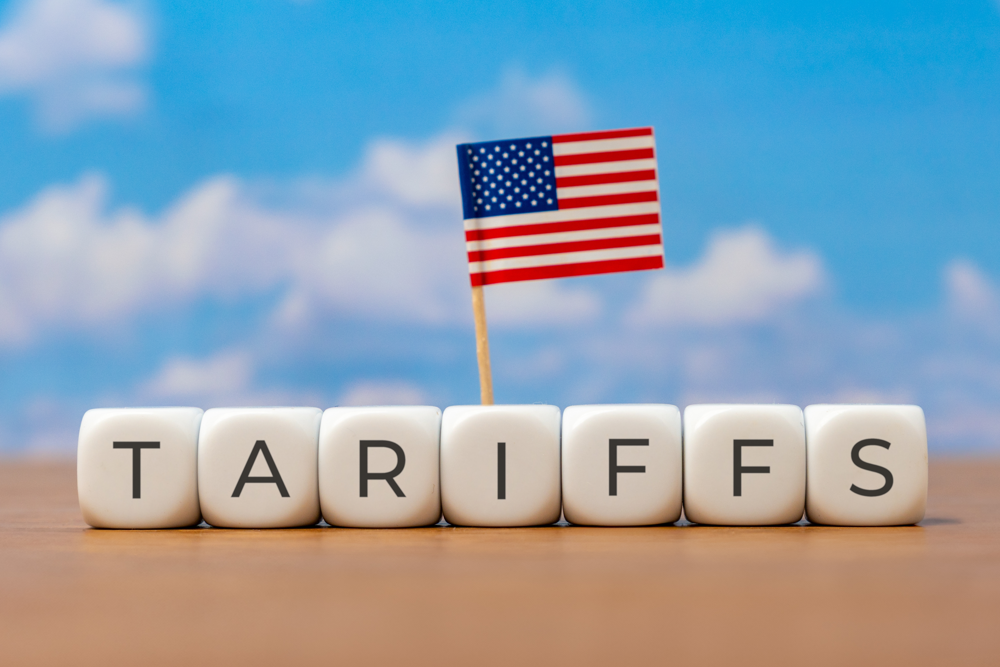
On April 2, 2025, a date he dubbed “Liberation Day,” US President Donald Trump unveiled a new regime of reciprocal tariffs. Calculated using a dubious formula, tariffs on imports soared to unprecedented levels. Laos would now face a tariff of 95%, Bangladesh 74%, the tiny French territory of Saint Pierre and Miquelon (population: 5,819) 99%. Even the Heard and McDonald Islands (population: 0 people, about 4 million penguins), an uninhabited Australian territory about 900 miles off the coast of Antarctica, were not spared, slapped with a 10% tariff.
The numbers often didn’t make sense. Economists questioned the logic and lawyers questioned the legality of the tariffs from day one. These challenges have made their way to the Supreme Court, which is currently hearing a case to settle the question, and while they are likely to rule that Trump cannot issue tariffs under the International Emergency Economic Powers Act, the ruling may leave the door open for the administration to find other ways to enforce them. High tariffs are a cornerstone of Trump’s economic policy, and his administration will not give up on them easily.
Regardless of the outcome of this case, tariffs will stick around in some form or another for the foreseeable future. Customs and Border Patrol (CBP) is ramping up its enforcement measures and is expected to begin audits in 2026. While we can’t know what exactly the future will bring, we can be prepared. If you haven’t yet, it’s time to start thinking about starting or strengthening your tariff compliance program.
Tariff Enforcement in 2026
CBP added tariff evasion and customs fraud to its list of priorities back in May, 2025. Its enforcement efforts since then, as Reuters reported, have been focused on fraud involving “certain foreign adversary companies,” and it has been businesses with Chinese associations that have borne the brunt of scrutiny.
As with many of this administration’s policies, tariff implementation has been managed by officials with little experience and riddled with errors. So far, these missteps have stymied effective enforcement, but experts believe that CBP will improve and expand its enforcement efforts in 2026.
All businesses that import goods and components will come under increased security in the coming year. With a year of tariff data available for analysis, CBP will have a clearer picture of import trends and will know what to look for. To that end, CBP will be deploying Exiger’s Trade AI, a software platform that uses machine learning algorithms to detect attempts to bypass the law, such as transshipping and “origin washing,” by detecting and matching patterns across the massive amounts of data they’ve collected in the past year.
Effects on the Jewelry Industry
Jewelry retailers and suppliers are no strangers to the complications that come with an industry that is global by its very nature. With its globe-spanning supply chain and international consumer base, the jewelry industry is particularly vulnerable to the effects of protectionist trade policies. In this statement (link opens a PDF), Jewelers of America highlights the increased cost to consumers, disruption of the supply chain, and harm to small businesses that result from tariffs. Both JA and Jewelers Vigilance Committee have been fighting for exceptions for the jewelry industry and arguing against the legality of the tariffs themselves. Even if these efforts succeed, the tariffs will not go away entirely but reappear in a different form. Given this reality, everyone in the jewelry industry must be prepared.
What Jewelry Businesses Can Do
No matter what the future holds, businesses will have to stay on top of all changes to these constantly shifting tariff numbers, work only with reputable suppliers and manufacturers, and keep detailed, accurate records. The time is now to start building tariff and import compliance policies, processes, and teams. Here’s what that looks like:
- Conduct risk assessments to determine the effectiveness of your current compliance policies.
- Conduct compliance training and internal compliance reviews.
- Develop processes for addressing noncompliance and suggesting improvements.
- Make sure you are correctly filing your ACE reports and are staying on top of current reporting regulations.
- Maintain records of all transactions and compliance data in an easily accessible central location, such as an ERP. This is important not only in the case of an audit but also because if tariffs are overturned, you may be entitled to a refund of tariffs paid.
- Understand the difference between FTC and CBP regulations regarding country of origin. Labeling a consumer product as “made in the USA” is governed by a different set of rules from what constitutes a US product for customs and tariff purposes. Mislabeling your goods could have dire consequences.
A lawyer can help you properly classify your goods, and a consultant with expertise in the jewelry industry can help you develop and implement a compliance program.
StrategyWerx: Your Compliance Experts
As a leading consultancy in the jewelry industry, we’ve helped jewelry businesses at all levels of the supply chain achieve compliance with critical standards like RJC, SCS recycled, AMLA, SRSO, and ISO. We’re also experts in the automation technology that will help you stay in compliance and breeze through an audit. It’s hard to predict the future, so your best bet is to build resilience into the fabric of your business. We’re here to help you develop those resilient processes, such as tariff compliance programs, that will keep your business ready for any surprises the future might bring.
Andrea Hill's
Latest Book
Straight Talk
The No-Nonsense Guide to Strategic AI Adoption
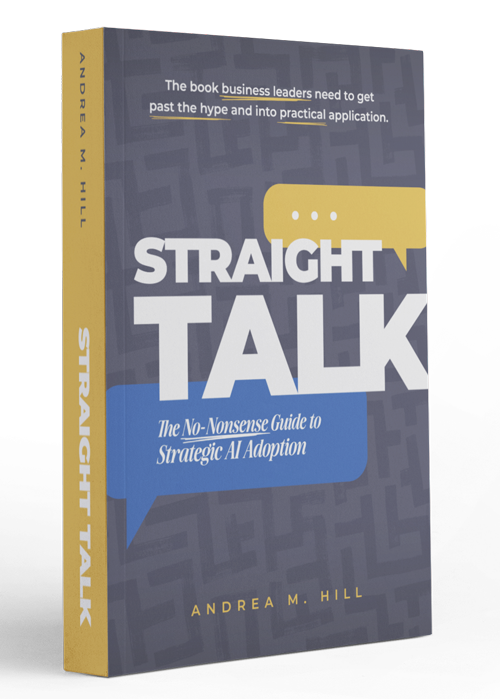
Where other books focus on prompts and tools, this book gives business leaders what they actually need: the frameworks and confidence to lead AI adoption responsibly, without having to become technologists themselves.